RESEARCH DEVELOPMENT FOR ADVANCED METHODS SOLUTIONS: AGRICULTURE, HORTICULTURE, NURSERY, AMENITY

PLANTAE SOLUTIONS

Terrae

Terrae: investigating plant–microbe interactions

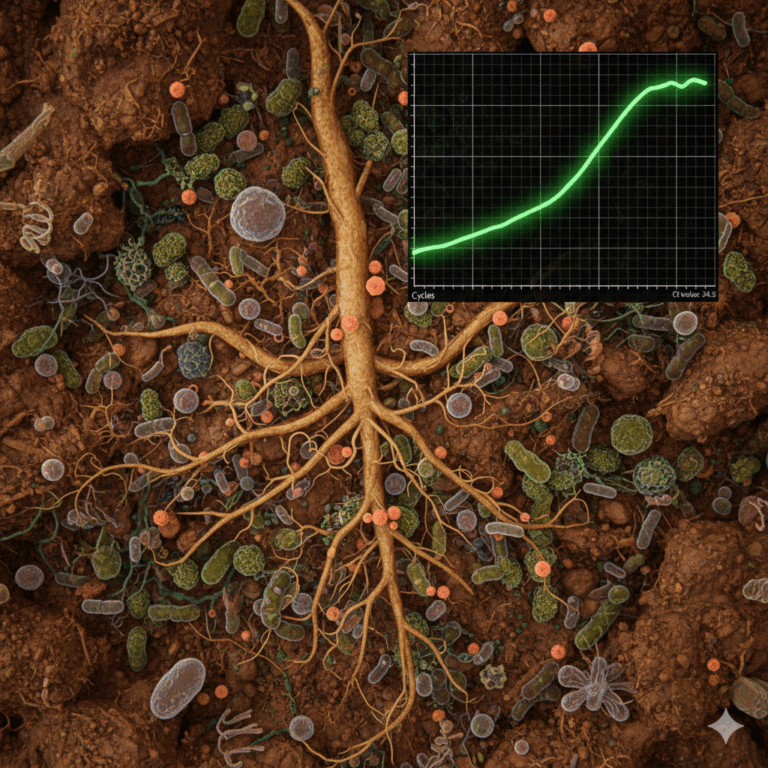
Soil microbiology and plant–microbe interactions are at the core of Terrae, Landlab’s area dedicated to the rhizosphere and bulk soil. Here we combine molecular biology, enzymatic activities and community-level analyses to understand how products, practices and environments shape microbial communities and their functions around plant roots.

PLANT FEEDBACK

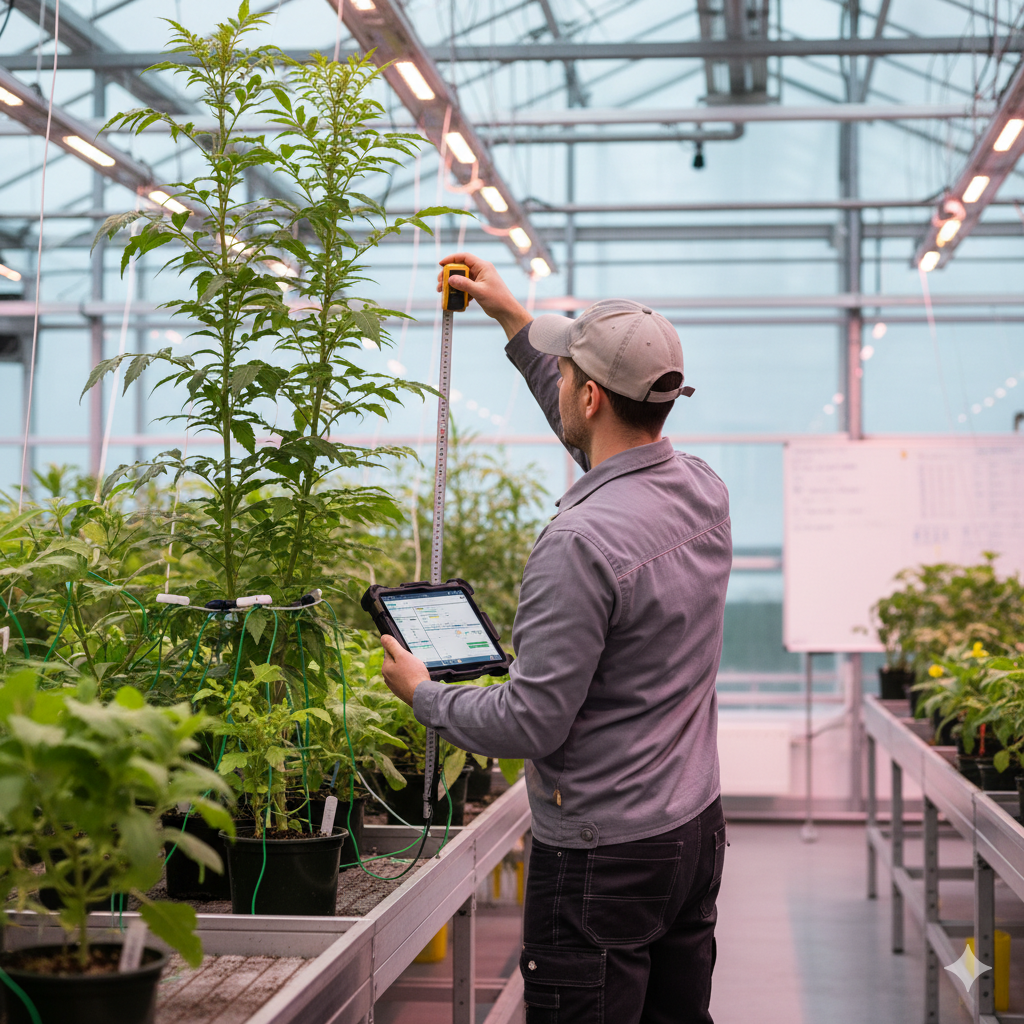
When plants show a positive feedback in our trials, it means that something meaningful has happened in the rhizosphere or in the surrounding soil. 

Terrae allows us to go one step further and investigate which microbial and functional changes are behind that response.

MOLECULAR BIOLOGY

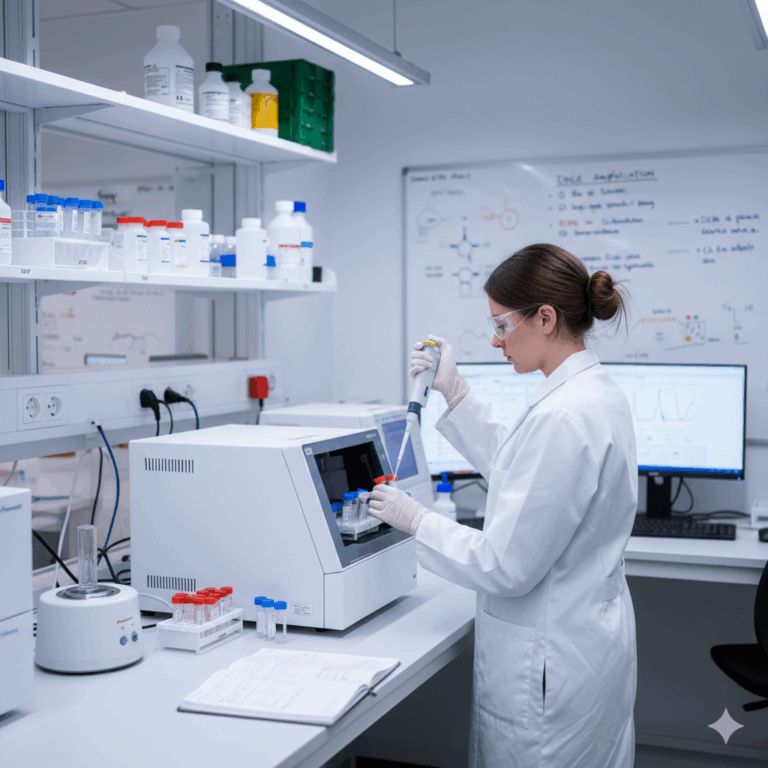
In Terrae we study soil microbiology and plant–microbe interactions to link agronomic responses with changes in the rhizosphere. Therephore, with molecular biology tools we can quantify microbial biomass, describe community composition and track specific functional genes.

  • DNA quantification – Microbial biomass quantification via dsDNA.

  • qPCR – Quantification of bacteria (16S), fungi (ITS) and archaea (16S); PCR to quantify functional genes of interest (e.g. AmoA…).

  • Metagenomics – Biodiversity analysis of microbial communities based on high-throughput sequencing (HTS) of 16S rDNA and ITS.


ENZYMATIC ACTIVITIES

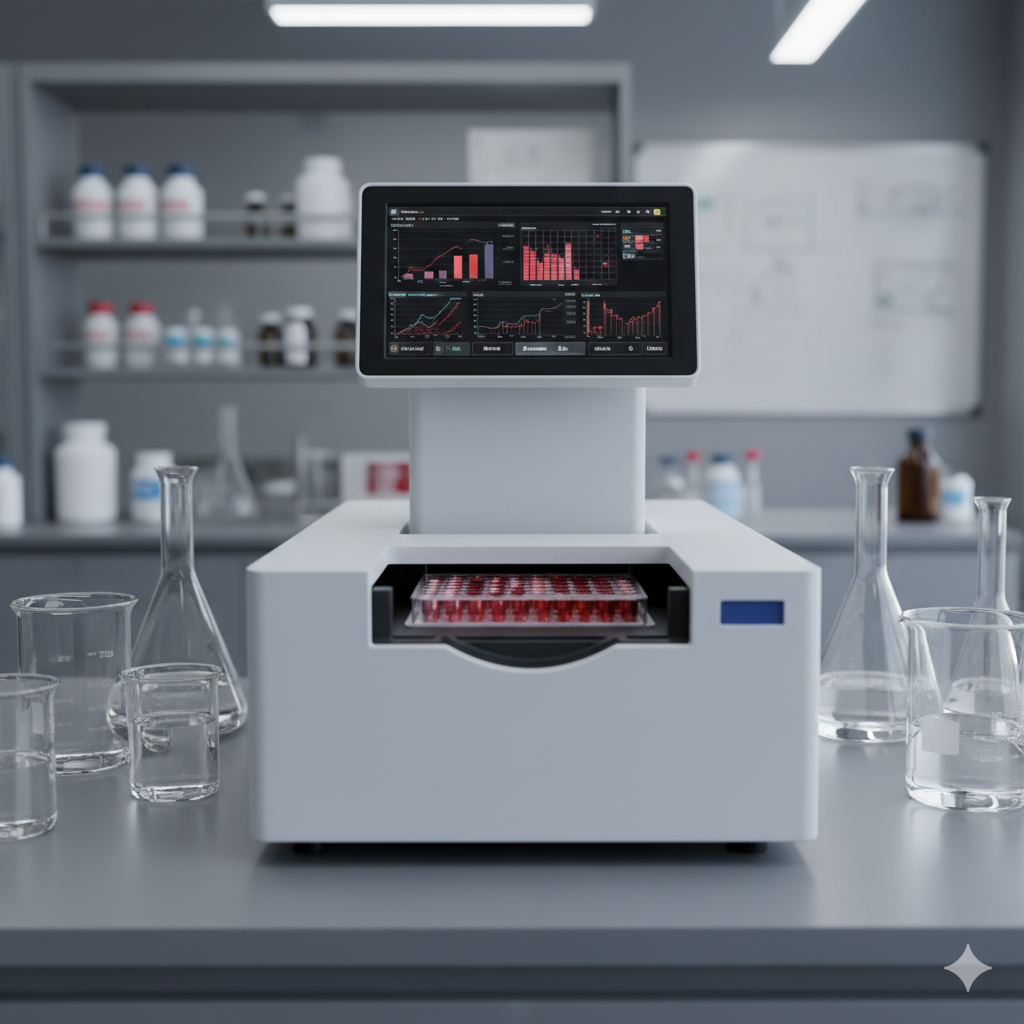
A further step is to test the activity of enzymes in the rhizosphere. Soil enzymes are involved in the biogeochemical cycles of carbon (C), nitrogen (N), sulphur (S) and phosphorus (P), and they work as early and sensitive indicators of environmental changes or inputs.

We routinely measure enzymes such as: α‑glucosidase, β‑glucosidase, β‑galactosidase, acid and alkaline phosphatase, arylsulfatase, N‑acetyl‑glucosaminidase, arylamidase, urease and dehydrogenase.

MICROBIAL COMMUNITIES

Community metabolic fingerprinting (CMF) is effective in distinguishing spatial and temporal changes in microbial communities induced by environmental changes or inputs

By testing different carbon sources, we can investigate the carbon utilisation patterns of soil microbes and detect shifts in community function.

From Terrae to Landlife

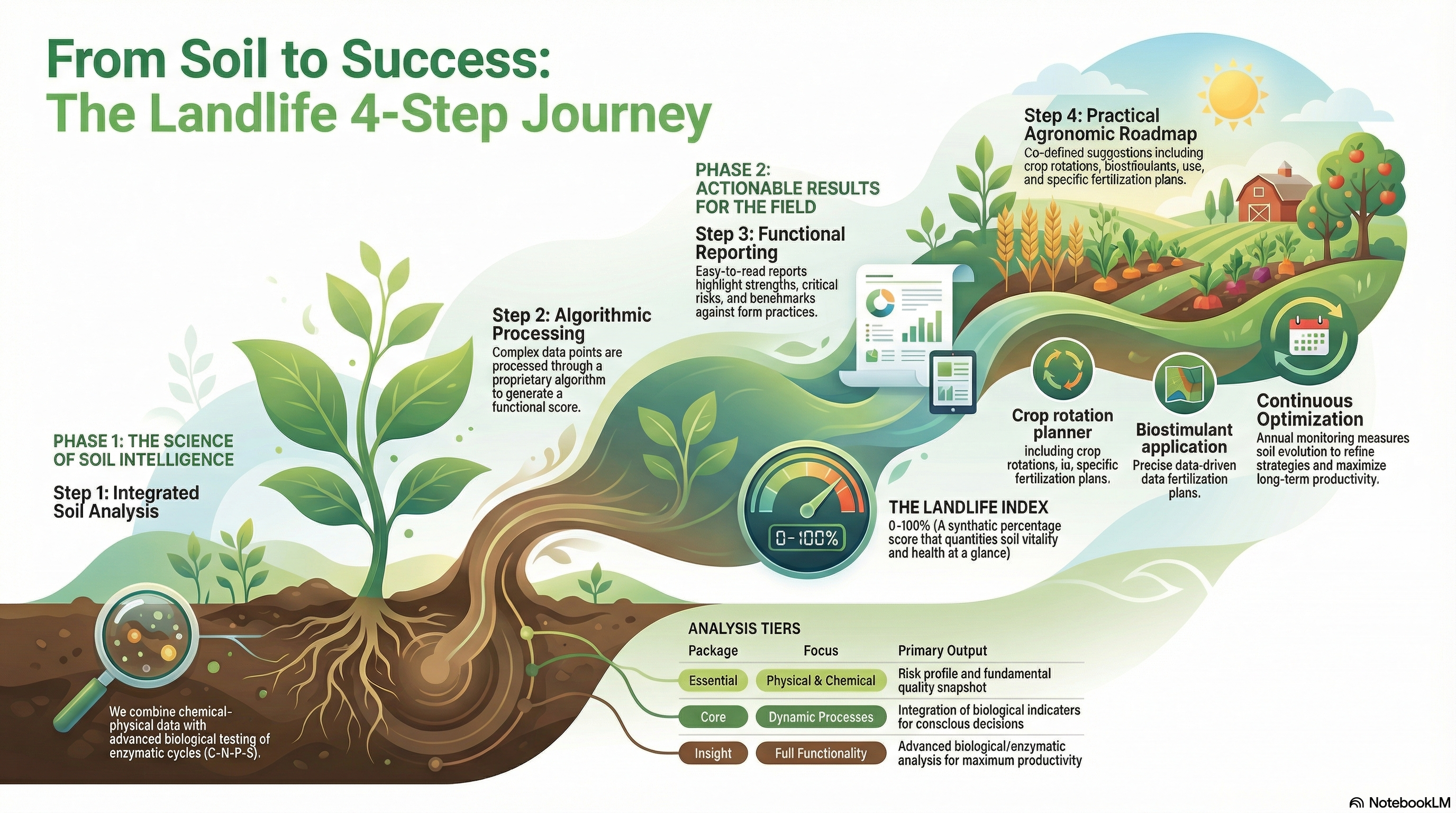
The tools available in Terrae are also part of Landlife, our integrated approach to assessing soil health. While Landlife focuses on translating soil and rhizosphere data into indices and practical recommendations for farmers and technicians, Terrae provides the mechanistic view on plant–microbe interactions that supports method development and interpretation.
If you are interested in soil biological analyses and the Landlife Index, you can explore the dedicated Landlife website.